The Dog Was Built for a Hill I'll Never Stand On
Mar 03, 2026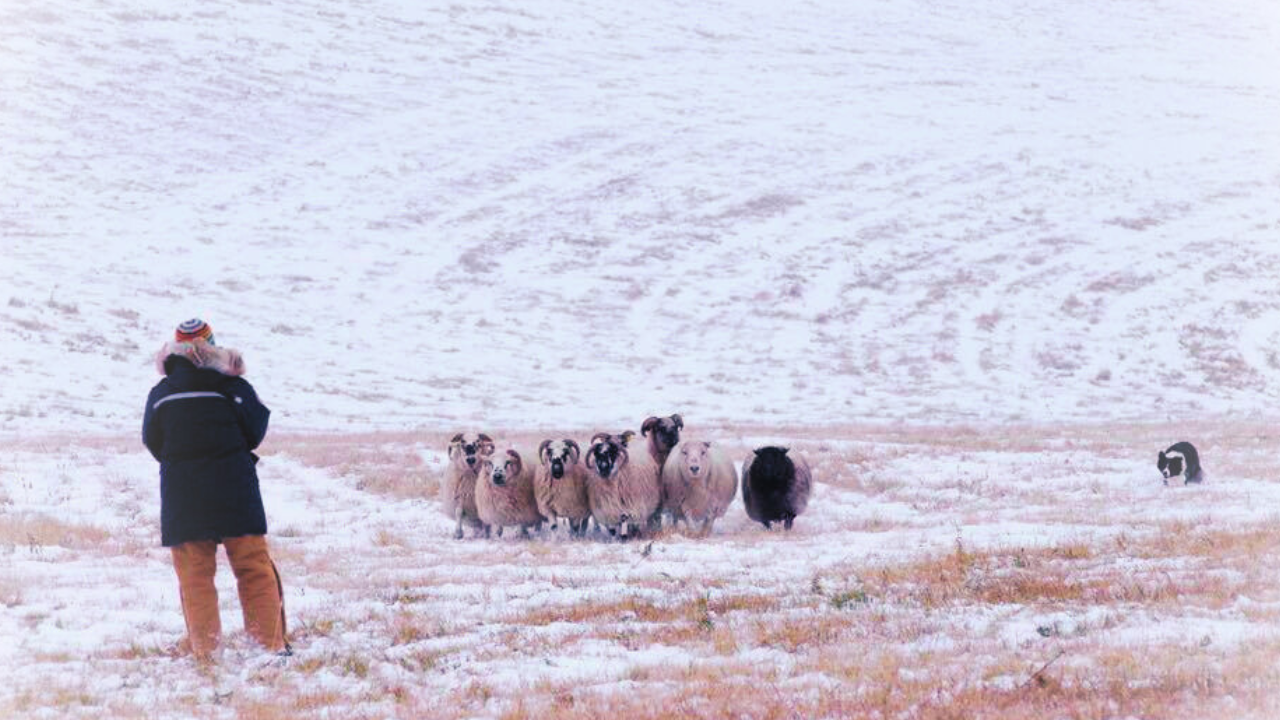
I will never be a hill farmer in Scotland.
I've made my peace with that.
I live in Alberta. My gathering experience involves a small stock trailer, borrowed fields from generous neighbours, and made up work.
And yet — I am utterly devoted to the Border Collie. Not in spite of what they were bred to do, but because of it.
There's a craft that lives inside this breed. It was built on Scottish hillsides, shaped by generations of farmers who needed a dog that could read sheep, read terrain, and work at distances so great the only communication was a whistle on the wind.
That craft didn't disappear when most of us moved away from farms. On hillsides across Scotland and Wales and beyond, Border Collies are still doing exactly what they were bred to do — every single day. And for those of us who will never stand on those hills, trialling is one way of honouring that. Of staying connected to something true.
Not everyone who loves jazz plays Carnegie Hall. Not everyone who loves the ocean sails across it. But the love is real, and it shapes you.
I came across a story recently that stopped me in my tracks.
In 1973, zoologist George Schaller and writer Peter Matthiessen walked 250 miles into remote Nepal specifically hoping to encounter a snow leopard. Matthiessen wrote a book about it — The Snow Leopard — which won the National Book Award and is considered one of the great works of American nonfiction.
They didn't see one.
The book isn't really about a leopard. It's about the search. About what happens to you when you pursue something completely, even when it doesn't give itself to you.
At the highest point of their journey, they met a Lama who had looked at one mountain view — the same view — for eight years. Crippled, he would do so for the rest of his life. When asked if he was happy, he laughed.
"Of course I am happy here! It's wonderful! Especially when I have no choice!"
I think about that a lot.
I will never muster sheep at dawn on a Scottish hillside, whistle in hand, watching my dog arc wide across the heather on nothing but instinct and training and trust.
But I understand why it matters. I feel it in my bones at a trial — that particular silence when a dog and handler are completely in sync. When the work looks effortless. When you can almost see the hill behind them, even though you're standing in a field in Alberta.
I'm an experienced handler. That won't be someone else's run I'm watching. It'll be mine.
And that's exactly the point. I'm not mourning a hill I'll never stand on. I'm running the dog that was built for it. Honoring the craft the best way I know how.
George Schaller said: "There are countless people dedicating their lives to protecting living things that they never will see. This is true nobility."
I think there are also countless people working dogs the way they were meant to be worked — not because it's practical, not because they need it — but because the craft deserves to live.
That's enough. More than enough, actually.
Have you seen the snow leopard?
No. Isn't that wonderful?
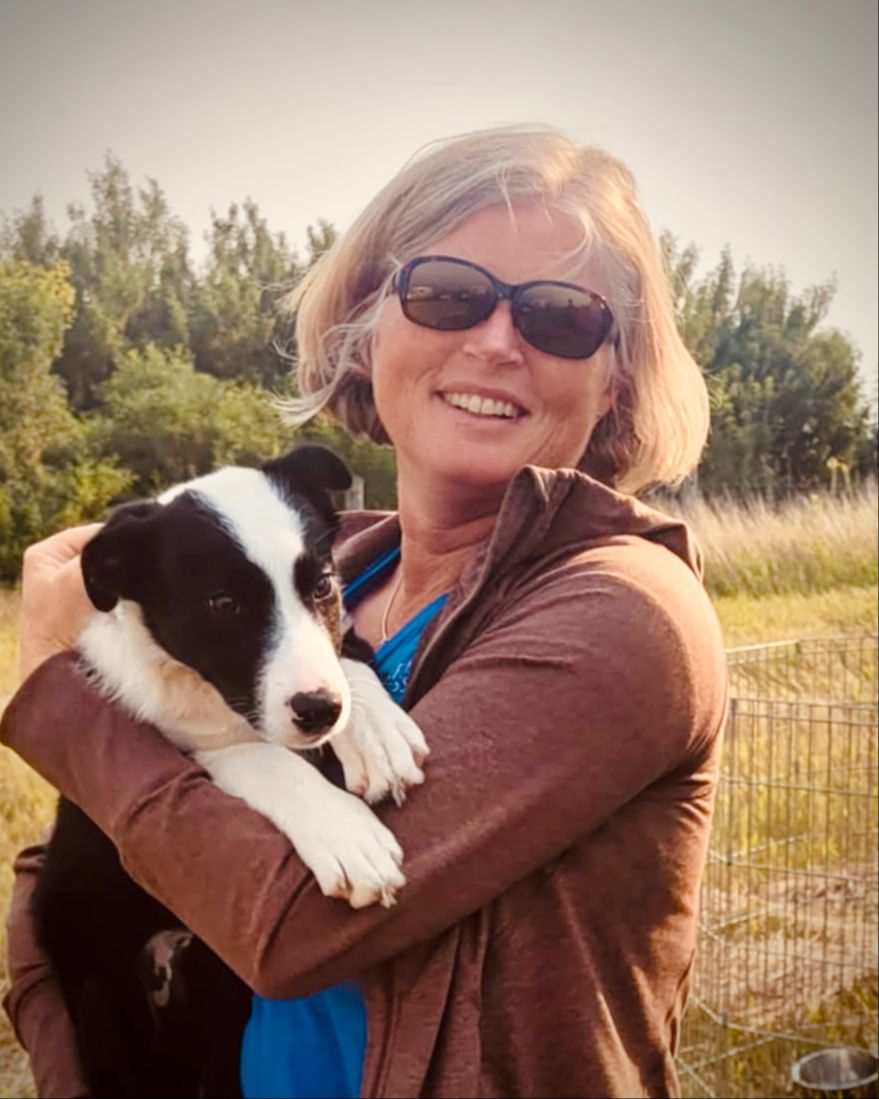
Lisa is the founder of iHerd and has been working Border Collies longer than she'd like to admit. She lives in Alberta with her dogs, a small flock of mismatched sheep, and a deep appreciation for Scottish hills she's never stood on.
Hey!